
Hablamos Español.

                     
407-80-CHIRO
Se Habla Español
Visit our Locations

Orlando | Sanford | Davenport | Metro West | Deltona

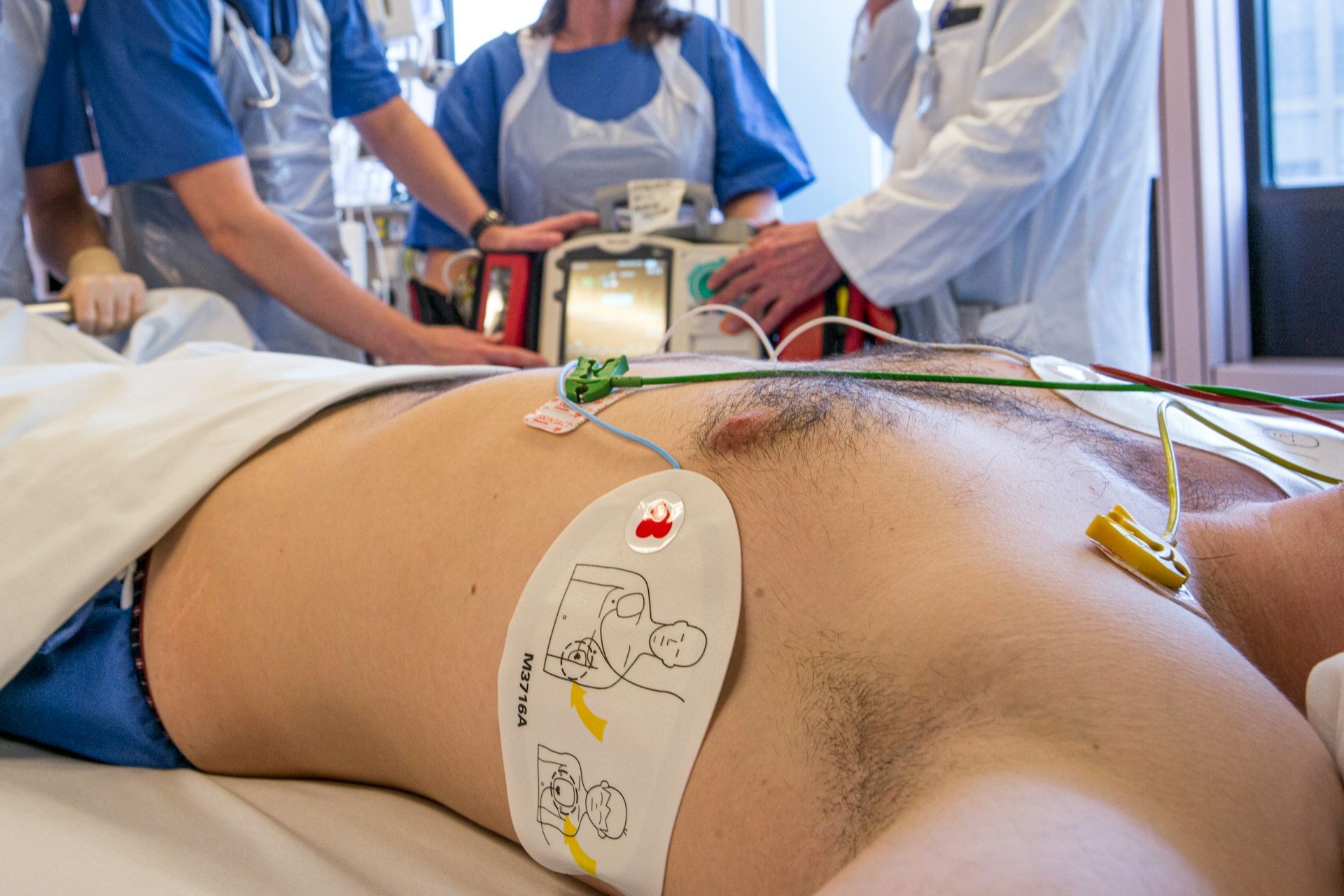
doctors and nurses beside a patient doing Electrical Muscle Stimulation

How Long Should You Use Electrical Muscle Stimulation? Tips for Optimal Results

Most people should use Electrical Muscle Stimulation (EMS) for 10 to 30 minutes per session, depending on their goal. Shorter sessions work well for recovery, while longer ones support pain relief or muscle strengthening. Using EMS beyond 30 minutes usually won’t improve results and may cause fatigue.

Electrical Muscle Stimulation (EMS) has gained traction among fitness enthusiasts, physical therapy patients, and busy professionals looking to enhance muscle performance without adding extra strain. By delivering small, targeted electrical impulses, EMS activates muscles in a way that mimics natural movement, supporting recovery, reducing pain, and improving strength over time.

This guide explains how to use EMS effectively, including the ideal session length based on your goals.

What Is Electrical Muscle Stimulation (EMS)?

EMS devices deliver low-level electrical impulses through electrodes placed on the skin. These impulses trigger muscle contractions, similar to what happens during physical activity.

People typically use EMS for:

  • Muscle recovery after workouts
  • Pain relief and rehabilitation
  • Strength training support
  • Improving circulation

It is important to understand that EMS is not a complete replacement for traditional exercise. It works best as a supplement to a well-rounded fitness or recovery routine.

How Long Should You Use EMS Per Session?

Most EMS sessions last between 10 to 30 minutes, depending on your goal.

1. For Muscle Recovery

  • Recommended time: 15–20 minutes
  • Frequency: 1–2 times per day

Short sessions help reduce muscle soreness and improve blood flow without overloading the muscles.

2. For Pain Relief

  • Recommended time: 20–30 minutes
  • Frequency: Up to 3 times per day (as needed)

Longer sessions can help manage chronic pain or tension, especially when guided by a healthcare professional.

3. For Muscle Strength and Performance

  • Recommended time: 20–30 minutes
  • Frequency: 3–5 times per week

Consistency matters more than duration here. Regular sessions support muscle activation and can complement resistance training.

4. For Beginners

  • Recommended time: 10–15 minutes
  • Frequency: 2–3 times per week

Starting with shorter sessions allows your body to adapt and reduces the risk of discomfort or fatigue.

How Often Should You Use EMS?

Using EMS too frequently can lead to muscle fatigue, while using it too little may not deliver noticeable results.

A balanced schedule looks like this:

  • Recovery-focused users: Daily or post-workout
  • Strength-focused users: 3–5 times per week
  • Pain management users: As needed, but within recommended limits

Rest days still matter. Muscles need time to recover, even when stimulation comes from a device rather than traditional exercise.

Factors That Affect Your Ideal EMS Duration

There is no one-size-fits-all approach. Several factors influence how long you should use EMS.

1. Your Fitness Goals

Recovery sessions are typically shorter and gentler, while strength-building sessions require more intensity and slightly longer durations.

2. Intensity Level

Higher intensity does not always mean better results. A moderate, tolerable intensity is more effective and safer over time.

3. Muscle Group Size

Larger muscle groups like the thighs or back may handle longer sessions, while smaller muscles like the arms or calves may require shorter durations.

4. Experience Level

Experienced users often tolerate longer sessions, while beginners should ease into it.

5. Device Type

Different EMS devices have preset programs that determine session length. Always follow the manufacturer’s guidelines.

Signs You Might Be Overusing EMS

More is not always better. Overuse can slow progress or even cause discomfort.

Watch for these signs:

  • Persistent muscle soreness
  • Skin irritation under the electrodes
  • Muscle fatigue or weakness
  • Reduced performance during workouts

If you notice any of these, reduce session duration or frequency.

Tips for Getting the Best Results

EMS can be highly effective when used correctly. These tips help maximize your results.

1. Combine EMS with Exercise

EMS works best alongside traditional strength training and cardio. It enhances muscle activation but does not replace movement.

2. Stay Consistent

Regular sessions deliver better results than occasional long sessions. Aim for a schedule you can maintain.

3. Adjust Intensity Gradually

Start at a low intensity and increase slowly as your tolerance improves. Comfort should guide your settings.

4. Target Specific Muscle Groups

Focus on muscles that need recovery or strengthening rather than using EMS randomly.

5. Hydrate Properly

Hydration supports muscle function and recovery, especially when using EMS regularly.

6. Follow Proper Electrode Placement

Correct placement ensures effective stimulation and reduces the risk of irritation or uneven results.

Common Mistakes to Avoid

Avoiding these pitfalls can make a significant difference in your results.

Using EMS for Too Long

Extended sessions do not necessarily improve outcomes and may lead to fatigue.

Skipping Rest Days

Muscles need recovery time to rebuild and grow stronger.

Ignoring Discomfort

Sharp pain or burning sensations are not normal. Stop immediately if this occurs.

Relying Solely on EMS

EMS is a supplement, not a standalone solution. Pair it with a healthy lifestyle for the best outcomes.

Is EMS Safe for Daily Use?

EMS can be safe for daily use when applied correctly, especially for recovery or pain relief. However, high-intensity sessions for strength training should be spaced out to allow muscle recovery.

Consult a healthcare professional before using EMS if you:

  • Have a pacemaker or heart condition
  • Are pregnant
  • Have underlying medical conditions

Safety always comes first, especially when electrical stimulation is involved.

Sample EMS Routine for Beginners

A simple weekly routine can help you get started.

Day 1:

  • 15-minute session (low intensity) – legs

Day 2:

  • Rest or light recovery session

Day 3:

  • 15–20 minutes – arms and core

Day 4:

  • Rest

Day 5:

  • 20 minutes – full-body recovery

Day 6:

  • Optional light session

Day 7:

  • Rest

This structure balances stimulation and recovery, helping your body adapt gradually.

Take Control of Your Recovery and Performance

Ready to experience the benefits of Electrical Muscle Stimulation safely and effectively?  Whether your goal is reducing soreness, improving strength, or accelerating recovery, EMS can help when used strategically.

Schedule your consultation with Spine & Rehabilitation Centers today and get personalized guidance from licensed professionals. With convenient Florida locations in Orlando, Sanford, Davenport, Metro West, and Deltona, expert support is always within reach.

Call (407) 802‑4476 or visit our Contact page to start your journey toward stronger muscles, faster recovery, and reduced pain.




Massage Therapy Doctor

Is Massage Therapy Covered by Insurance? A Comprehensive Guide

Yes, massage therapy can be covered by insurance—but only in specific medical situations.
Most insurance providers reimburse massage therapy only when it is medically necessary, prescribed by a doctor, and performed by a licensed provider. If the massage is for relaxation, stress relief, or spa services, insurance typically does not cover the cost.

Insurance companies treat massage therapy as a rehabilitative or therapeutic treatment, not a wellness service. That means coverage depends on diagnosis, documentation, and the type of insurance plan.

This guide explains when massage therapy is covered, which insurance plans may pay for it, and how to improve your chances of reimbursement.

What Is Massage Therapy?

Massage therapy is a manual treatment that manipulates muscles, fascia, and connective tissues to reduce pain, improve circulation, and restore mobility.

Licensed massage therapists (LMTs) use techniques such as:

  • Deep tissue manipulation
  • Myofascial release
  • Trigger point therapy
  • Sports massage
  • Medical or rehabilitative massage

Healthcare providers often include massage therapy in integrative treatment plans alongside physical therapy, chiropractic care, and rehabilitation programs.

When Does Insurance Cover Massage Therapy?

Insurance companies usually approve massage therapy only when it is part of medical treatment for a specific condition.

1. Medical Necessity

The most important requirement for insurance coverage is medical necessity. This means a healthcare provider must determine that massage therapy is required to treat a diagnosed condition.

For example, insurance companies may cover massage therapy when it is used to treat:

  • Chronic lower back pain
  • Musculoskeletal injuries
  • Post-surgery rehabilitation
  • Myofascial pain syndrome
  • Whiplash or auto accident injuries

Insurance providers evaluate whether the therapy will improve mobility, reduce pain, or help with recovery.

If massage therapy is used purely for relaxation, stress relief, or wellness, insurance companies generally will not cover it.

2. A Doctor’s Prescription or Referral

Many insurance plans require a doctor’s referral or prescription before approving massage therapy.

The prescription usually includes:

  • A diagnosis
  • The recommended number of sessions
  • A treatment plan
  • The medical reason for the therapy

Without this documentation, insurance companies often deny coverage, even if massage therapy would be beneficial.

3. Treatment From a Licensed Professional

Insurance providers typically require the massage therapy to be performed by a licensed healthcare professional.

Depending on the policy, treatment may need to be provided by:

  • Licensed massage therapists (LMTs)
  • Physical therapists
  • Chiropractors
  • Medical professionals in rehabilitation clinics

Some insurance companies only reimburse treatments performed in medical settings such as physical therapy clinics or hospitals.

4. Coverage Included in Your Insurance Plan

Even if massage therapy is medically necessary, it must still be included in your specific insurance plan.

Insurance policies vary widely. Some plans offer coverage for complementary therapies like massage, acupuncture, and chiropractic care, while others exclude them entirely.

Types of Insurance That May Cover Massage Therapy

Several types of insurance may provide coverage for massage therapy under certain circumstances.

Private Health Insurance

Private insurance plans sometimes cover massage therapy as part of rehabilitation or alternative medicine benefits.

Major insurers such as Aetna, UnitedHealthcare, and Blue Cross Blue Shield may provide partial reimbursement if the therapy is prescribed and medically necessary.

Coverage often includes limitations such as:

  • A specific number of sessions per year
  • A deductible or copay
  • Pre-authorization requirements

Some plans reimburse 40% to 80% of treatment costs depending on the policy.

Auto Insurance (Personal Injury Protection)

Massage therapy is frequently covered after car accidents.

If you are injured in a motor vehicle accident, auto insurance policies with Personal Injury Protection (PIP) or MedPay coverage may pay for massage therapy as part of injury recovery.

In these cases, massage therapy is considered rehabilitative treatment rather than wellness care.

Workers’ Compensation

Workers’ compensation insurance may also cover massage therapy for work-related injuries.

For example, employees recovering from:

  • Repetitive strain injuries
  • Back injuries
  • Muscle strains

may receive massage therapy as part of their rehabilitation program.

Medicare

Original Medicare (Parts A and B) generally does not cover massage therapy, even when prescribed by a doctor.

However, some Medicare Advantage plans may offer massage therapy as an additional wellness benefit, although coverage varies by provider.

Medicaid

Medicaid coverage for massage therapy is limited.

Only a few state programs include massage therapy benefits, and coverage usually requires strict documentation of medical necessity.

Health Conditions Insurance May Approve for Massage Therapy

Insurance providers are more likely to approve massage therapy when it treats specific medical conditions.

Common conditions that qualify include:

  • Chronic neck or back pain
  • Muscle injuries
  • Post-surgical recovery
  • Fibromyalgia
  • Sports injuries
  • Whiplash after accidents

Massage therapy can reduce muscle tension, improve circulation, and support rehabilitation for these conditions.

Situations Where Insurance Will Not Cover Massage Therapy

Even though massage therapy has many benefits, there are several situations where insurance companies typically deny coverage.

Insurance usually does not cover massage therapy for:

  • Relaxation or stress relief
  • Spa treatments
  • General wellness care
  • Cosmetic or luxury services
  • Sessions without a medical diagnosis

These types of massages are considered elective and must be paid out of pocket.

How to Get Massage Therapy Covered by Insurance

If you want your insurance company to cover massage therapy, there are several steps you can take.

1. Talk to Your Doctor

Start by discussing your symptoms with your healthcare provider. If massage therapy could help treat your condition, your doctor may provide a prescription or referral.

2. Check Your Insurance Policy

Review your insurance policy or contact your insurance provider to determine:

  • Whether massage therapy is covered
  • The conditions required for coverage
  • The number of sessions allowed
  • Whether pre-authorization is required

Understanding your benefits can prevent unexpected costs.

3. Use an In-Network Provider

Many insurance companies only reimburse treatments from in-network providers.

Choosing a licensed massage therapist who works with your insurance provider increases the chances of reimbursement.

4. Keep Proper Documentation

Insurance companies often require detailed documentation for reimbursement.

This may include:

  • Doctor referrals
  • Medical diagnoses
  • Treatment plans
  • Billing codes, such as CPT codes for massage therapy

Accurate documentation helps support insurance claims.

5. Use Health Savings Accounts (HSA) or Flexible Spending Accounts (FSA)

Even if your insurance does not cover massage therapy directly, you may still be able to pay for it using Health Savings Accounts (HSA) or Flexible Spending Accounts (FSA).

These accounts allow you to use pre-tax funds for eligible medical expenses, including therapeutic massage treatments.

Take the Next Step Toward Pain Relief and Recovery

Ready to experience the benefits of medically approved massage therapy and personalized rehabilitation? Contact Spine & Rehabilitation Centers today to schedule your consultation with our licensed therapists. Our Florida locations in Orlando, Sanford, Davenport, Metro West, and Deltona are here to help you reduce pain, improve mobility, and restore your quality of life.

Call us now at (407) 802-4476 to get started on your recovery journey.


Therapeutic exercise

Therapeutic Exercise: Improving Body Movement and Overall Health

Therapeutic Exercise is a powerful and effective technique that can improve or prevent body impairments and optimize overall health. It is a cornerstone of many rehabilitation programs and involves the systematic body movement prescribed under a plan customized to each person based on their needs and actual mobility. In this article, we will explore the uses and types of therapeutic exercise, and how it can benefit you.

Uses of Therapeutic Exercise

Therapeutic Exercise involves the whole human body but focuses particularly on its nervous system, joints, muscles, and ligaments. It is used to treat specific problems such as injuries, lesser muscular or skeletal function, flexibility, and loss of strength. Athletes often use these types of exercises to improve their performance, and patients who have gone through accidents or recent surgeries also benefit from them.

Therapeutic Exercise is also very common in the case of conditions such as strokes as they often end up in a restriction of the body’s movement. It is great not just to improve body movement but also pain, prevent injuries (example, people in sports) and managing lung and heart disease.

Types of Therapeutic Exercise

There are many types of therapeutic exercise that can be used to improve or prevent body impairments and optimize overall health. Each type of exercise targets specific areas of the body and has a unique purpose and practice. From strength improvement exercises to cardio and respiratory exercises, therapeutic exercise is a powerful and effective technique that can help improve overall function and mobility. In this section, we will explore each type of therapeutic exercise in more detail and explain their purpose and practice.

Strength Improvement Exercise

This type of exercise focuses on building muscle strength and mass. It involves performing exercises that target specific muscle groups, such as lifting weights or using resistance bands. The purpose of this type of exercise is to increase muscle strength and mass, which can help improve overall function and reduce the risk of injury.

Range of Motion Improvement Exercise

This type of exercise aims to increase the range of motion of joints. It involves performing exercises that stretch and move the joints through their full range of motion, such as stretching or using specific exercises to improve joint mobility. The purpose of this type of exercise is to improve joint mobility and reduce stiffness or pain.

Flexibility Exercises

This type of exercise focuses on increasing flexibility and is particularly useful for people who have stiff or tight muscles. It involves performing exercises that stretch the muscles and increase their flexibility, such as yoga or Pilates. The purpose of this type of exercise is to improve flexibility and reduce the risk of injury.

Balance and Proprioception or Orientation

This type of exercise aims to improve balance and coordination. It involves performing exercises that challenge your balance and coordination, such as standing on one foot or using a balance board. The purpose of this type of exercise is to improve balance and reduce the risk of falls.

Vertigo and Dizziness Exercises

These exercises help improve balance and reduce dizziness and vertigo. It involves performing exercises that target the vestibular system, which is responsible for balance and spatial orientation. The purpose of this type of exercise is to improve balance and reduce the symptoms of dizziness and vertigo.

Functional Mobility

This type of exercise aims to improve overall mobility, making it easier for people to perform everyday activities. It involves performing exercises that mimic everyday movements, such as squatting or lifting objects. The purpose of this type of exercise is to improve overall mobility and function.

Cardio and Respiratory Exercises

These exercises help improve cardiovascular and respiratory function. It involves performing exercises that increase heart rate and breathing, such as running or cycling. The purpose of this type of exercise is to improve cardiovascular and respiratory function, which can help improve overall health and reduce the risk of disease.

Customized Exercise Therapy

We use tools such as foam rollers, dumbbells, weights, resistance bands, treadmills or even bikes for these exercises. However, we customize your exercise therapy to your needs and body. So, what someone else with a similar problem used may not be what is prescribed to you. Our team ensures that your plan is specific to your body, injury, and overall health.